Media Wall Cost UK (2026 Guide): Prices, Examples & What Affects Cost
If you're planning a media wall, one of the first questions you'll have is: how much does it actually cost? The answer isn't as straightforward as a single number, because media walls can range from very simple decorative setups through to fully bespoke installations with integrated fireplaces, lighting, and cabinetry. The final cost depends heavily on the level of finish you're aiming for, the type of fireplace you choose, and whether you're doing the work yourself or bringing in trades.
In the UK, most media walls fall somewhere between £1,000 and £5,000+. At the lower end, you're looking at a simplified solution using acoustic panels or basic materials, while at the higher end you're paying for premium fireplaces, complex joinery, and high-quality finishes. Understanding where your project sits on that spectrum is the key to setting a realistic budget before you start.
Quick Price Overview
To give you a rough idea of what different levels of media wall cost, here's how most projects tend to break down. These are realistic ranges based on common UK builds rather than best-case scenarios.
- Acoustic panel wall (budget): ~£1,000
- Basic plastered media wall: ~£2,500
- Media wall with shelving & cupboards: £3,500 - £4,500+
- High-end custom builds: £5,000+
The jump in price between these options is mostly driven by labour, complexity, and the quality of the finish. A simple flat wall is relatively quick to build, whereas adding recessed sections, shelving, and integrated storage significantly increases both time and cost.
Fireplace Cost Breakdown
The fireplace is usually the biggest single cost in a media wall, and it also has the biggest impact on the final look. This is where budgets can vary massively, because there's a huge difference between a basic electric unit and a premium 3-sided feature fire.
- Budget electric fire: £250 - £500
- Mid-range electric fire: £600 - £1,200
- Premium 3-sided fire: £1,500 - £4,000+
Cheaper imported fireplaces can be a good option if you're working to a tight budget, but they often lack realism in flame effects and build quality. On the other hand, higher-end models tend to have much more convincing visuals, better lighting effects, and a stronger presence in the room. In many builds, upgrading the fireplace is the single biggest visual improvement you can make.
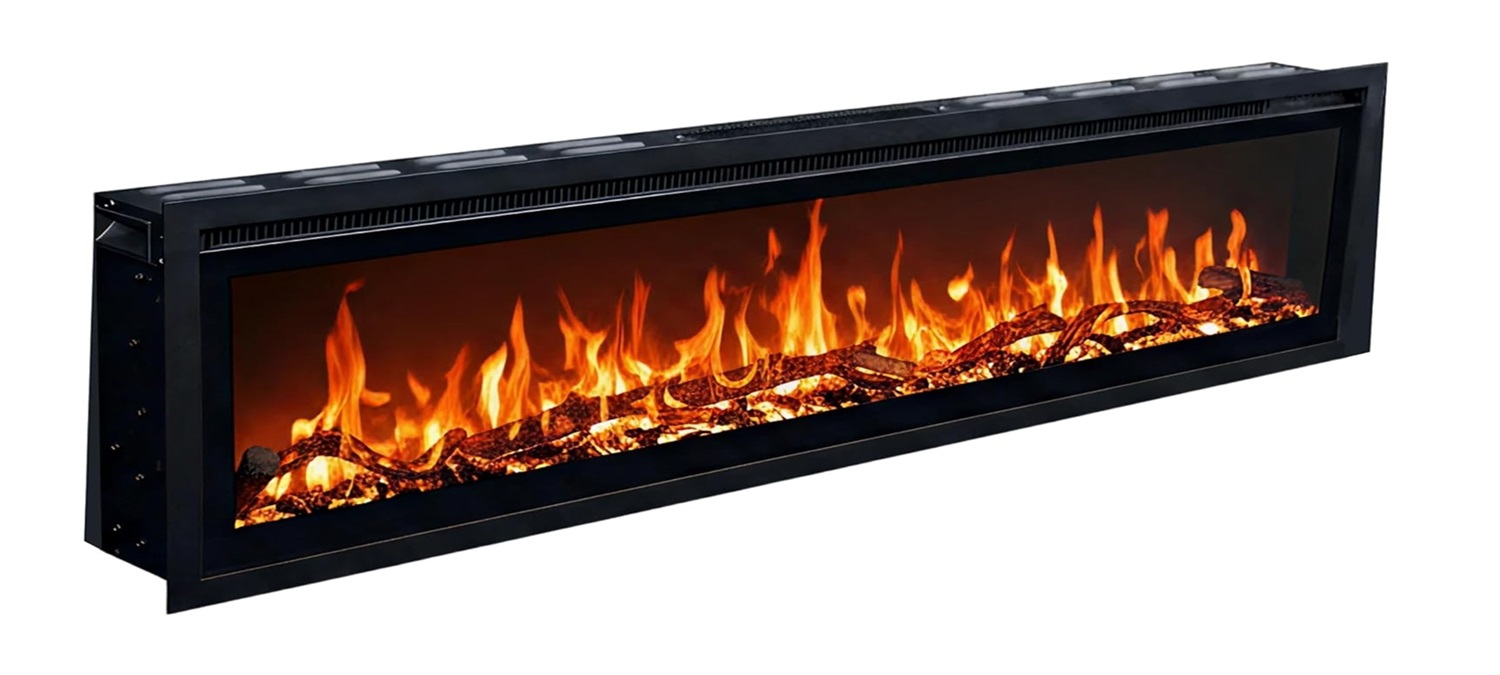
Budget option • Flush fitting
50" / 127cm electric fireplace
1800W
£219.99
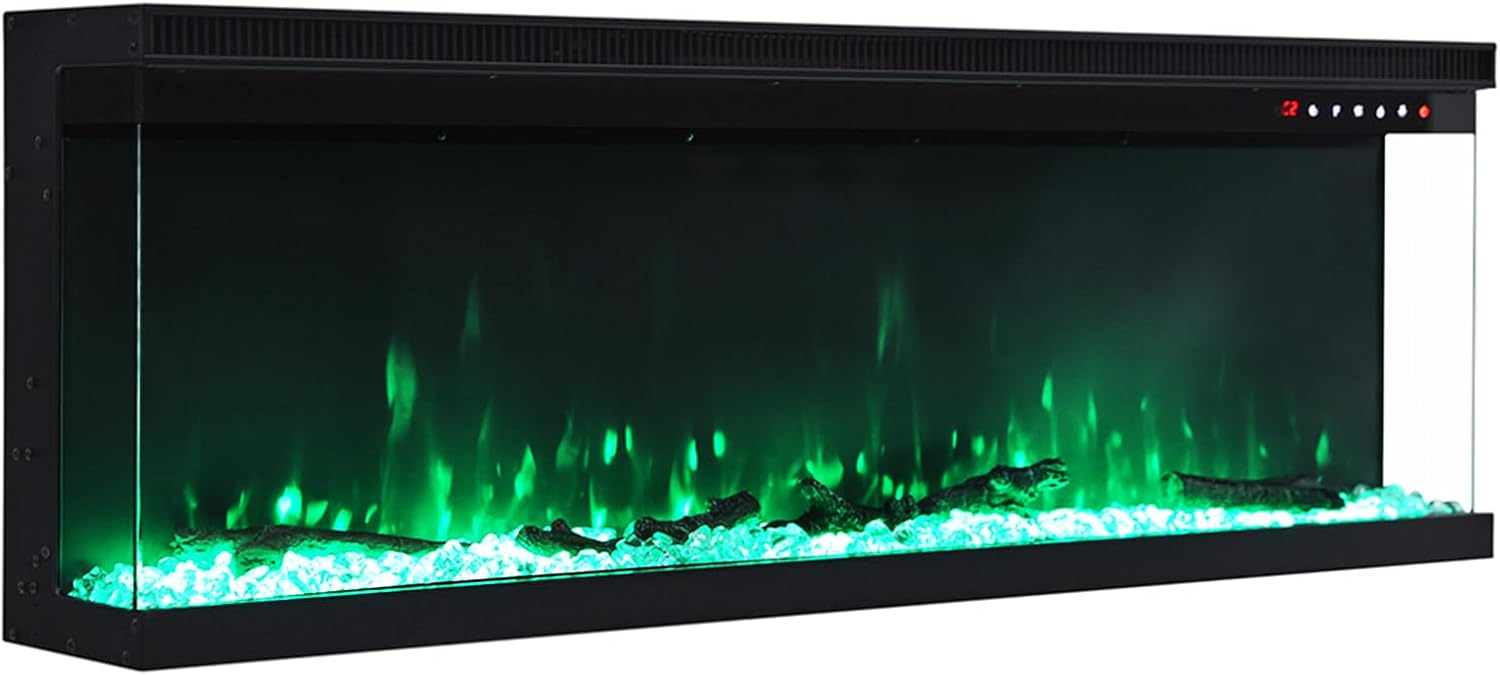
Budget option • 3 Sided
60" / 152cm 3-sided electric fireplace
1800W
£231.17
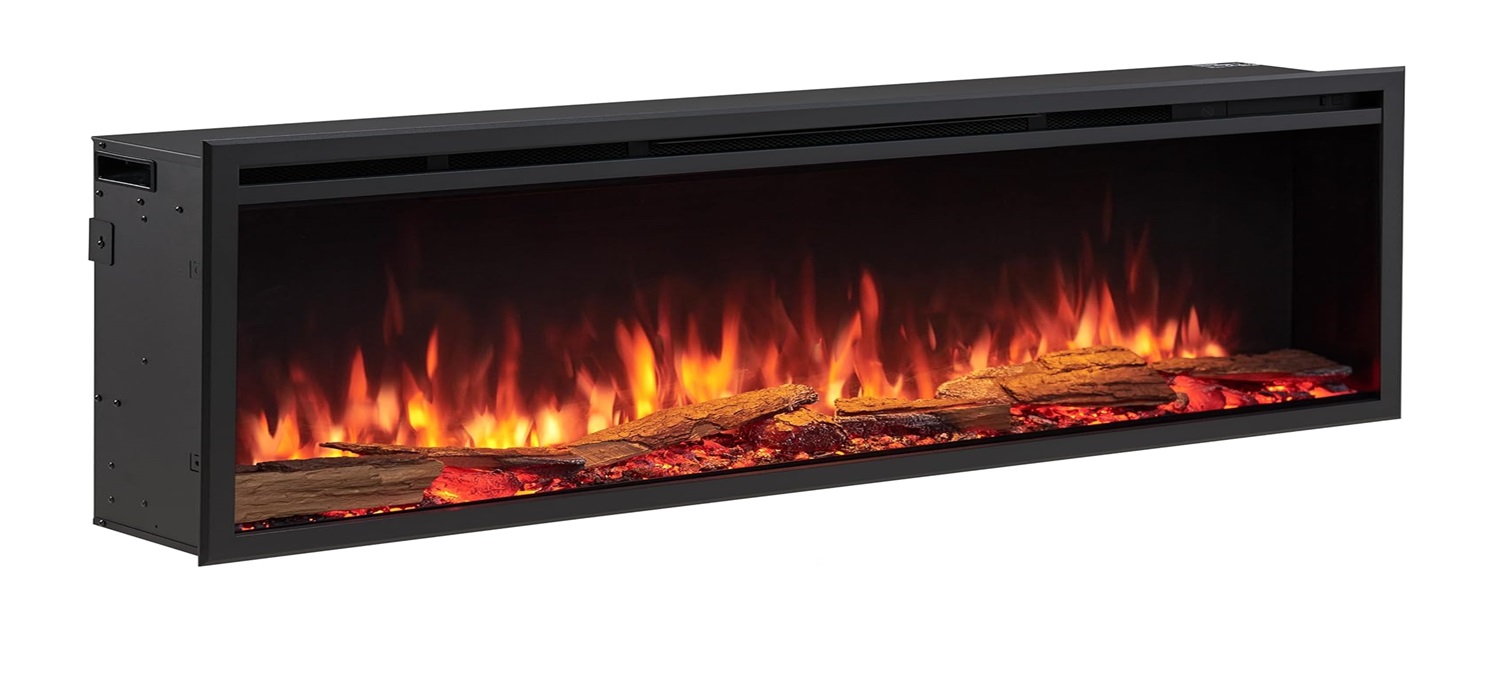
Premium option • Flush fitting
50" premium fireplace (Alexa/Google Home)
1800W
£599.97
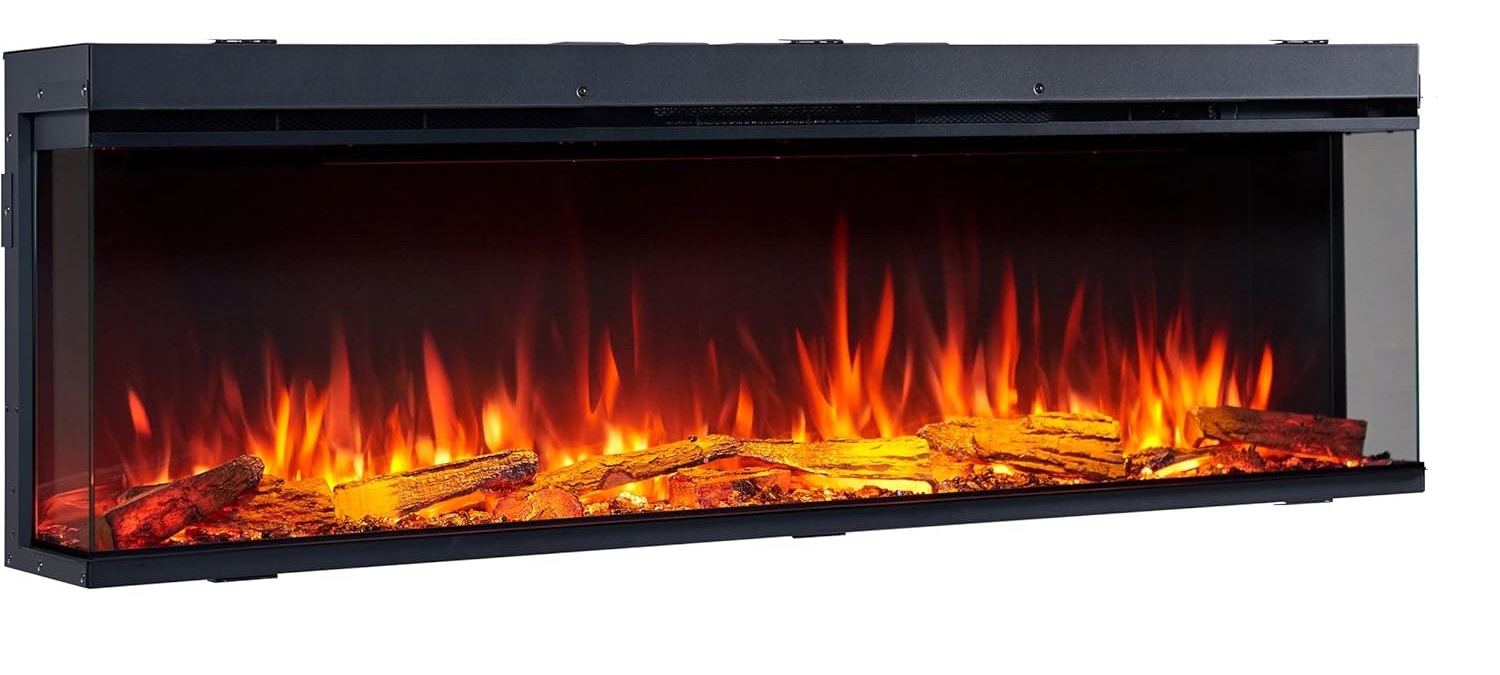
Premium option • 3 Sided
59" premium 3-sided fireplace (Alexa)
1800W
£797.97
The Cheapest Option: Acoustic Panel Media Wall
If you're trying to keep costs as low as possible, the cheapest approach is to avoid building a full stud wall entirely. Instead of constructing a new structure, you can work with your existing wall and upgrade its appearance using acoustic panels and a simple mounted TV setup.
This approach is popular because it reduces both material costs and labour time. There's no need for plastering, no complex framing, and no major disruption to the room. However, it does require careful finishing if you want it to look clean and intentional rather than like a quick DIY job.
Instead, you can:
- Clad the wall with acoustic panels
- Mount the TV directly
- Create a simple laminated surround
Fixing Options
How you fix the panels makes a big difference both to the installation process and the long-term result. There are two main approaches, each with trade-offs.
- Adhesive (stick it on): Quick and easy, but will damage the wall if removed
- Screws & wall plugs: More secure and removable, but slower and more precise
If you want a professional-looking finish, clean edges are critical. This is where having the right tools makes a big difference. A Mitre saw is almost essential if you're cutting timber, as it allows you to get perfectly straight, square cuts. Poor cuts or rough edges could throw the frame out of square. Also, cutting the timber with a handsaw will take forever!
Stud Wall & Plasterboard Costs
For a more traditional media wall, you'll typically build a timber stud frame and clad it with plasterboard. This creates the recessed areas for the TV and fireplace, and allows you to hide cables, sockets, and lighting.
Material costs are relatively modest, but the real cost comes from the time required to build everything accurately and square. Any errors at this stage will show up later when it's plastered and painted.
- Timber & fixings: £300 - £500
- Plasterboard: £100
- Fire-resistant plasterboard: more expensive but required if you fit a working fire
Fire-rated plasterboard is particularly important around fireplaces. Even with electric units, manufacturers often specify clearance requirements and heat-resistant materials. Skipping this step might save money short-term, but it's not worth the risk.
Labour Costs
Labour is where many media wall projects go over budget. Even if materials are relatively cheap, the combination of different trades and the level of precision required can add up quickly.
Electrician
You will almost always need an electrician, even for a basic build. Media walls typically require new socket positions, hidden wiring, and sometimes additional circuits depending on the fireplace and lighting setup.
- Move plug sockets
- Install new sockets behind TV/fire
- Wire LED lighting
Typical cost: £150 - £400, depending on complexity and how much needs to be moved or added.
Gas Engineer
If you're replacing an existing gas fire, you'll need a qualified gas engineer to safely disconnect and cap the supply. This is not something you can or should do yourself.
- Gas must be safely capped
Typical cost: £80 - £200, depending on access and the existing setup.
Plasterer
Plastering is one of the most important stages of the build and one of the easiest to get wrong. Media walls are far more difficult to plaster than standard flat walls due to their shape and detail.
- Sharp edges
- Recessed areas
- Multiple surfaces
A skilled plasterer will make everything look seamless and high-end, while a poor job will highlight every imperfection. This is not an area where it pays to cut corners.
Typical cost: £200 - £600
Realistic Example Cost
To give you a clearer picture, here's what a fairly typical mid-range media wall might cost using common materials and trades.
- Fireplace: £400
- Materials: £500
- Carpenter: £500
- Electrician: £250
- Plasterer: £300
Total: ~£1,850 - £2,500
This kind of setup would give you a clean, modern media wall without going into high-end territory. Adding custom cabinetry or upgrading the fireplace would push this higher fairly quickly.
What Drives the Price Up?
If you're trying to control your budget, it helps to understand what tends to increase costs the most. In most cases, it's not the basic structure — it's the extras and finishing details.
- Large 3-sided fireplaces
- Custom shelving and cabinetry
- LED lighting systems
- High-end finishes (microcement, bespoke joinery)
Each of these adds both material cost and labour time, which compounds quickly. Even small upgrades can have a noticeable impact on the final price.
DIY vs Professional Build
A lot of people consider building a media wall themselves to save money, and it's definitely possible if you're comfortable with tools and basic construction. However, the margin for error is small, especially when it comes to alignment, finishing, and plastering.
- Precision is critical
- Bad plastering ruins everything
- Fireplace installs must be safe
If you're confident and take your time, DIY can work well. But if you want a high-end finish, bringing in professionals for key stages like plastering and electrics is usually worth the investment.
Final Thoughts
A media wall can be done on a relatively modest budget, but most homeowners end up spending somewhere in the £2,000 - £3,500 range for a well-finished result that looks good and lasts.
The key is understanding where your money is going. The fireplace, the finish, and the quality of the workmanship all play a major role in the final outcome. Plan those properly, and you'll end up with a media wall that not only looks great but also feels like a proper feature in the room rather than just a TV on a wall.
Take a look at our Media Wall Cost Calculator to get a better idea on price.